PRACTICE HABITS
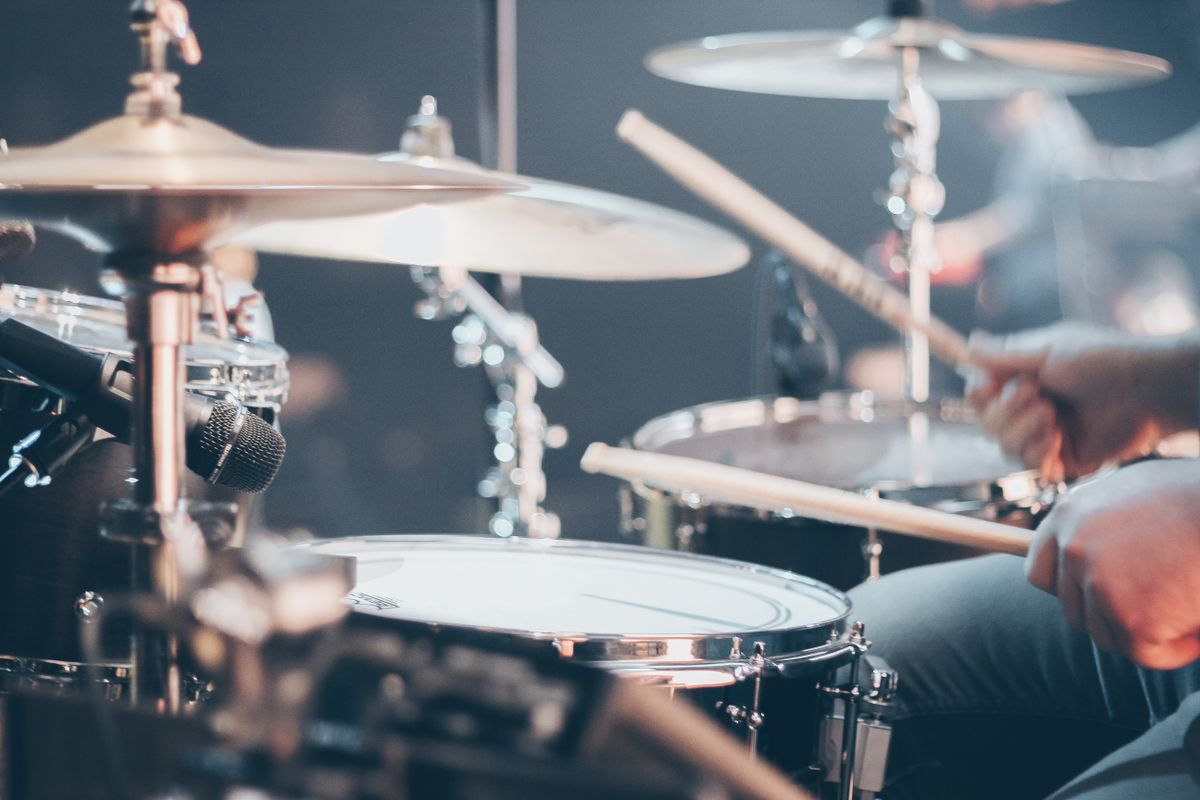
After twenty years of gigs, festivals, cruise ships, and studio sessions, the single biggest lesson I keep coming back to is this: great drumming isn't built on stage — it's built in the practice room. The players who keep getting calls aren't necessarily the most naturally gifted. They're the ones who practice with intention. Over the years I've watched beginners leapfrog "talented" players simply because they showed up and worked smart. Here are five habits that made the biggest difference for me, and for every student I've taught.
1. Practice With a Metronome — Always
I know, I know. Nobody likes the click. But your job as a drummer is to be the timekeeper, and you can't keep time you've never measured. Start slow — slower than feels comfortable — and only speed up when you can play a pattern cleanly ten times in a row. The metronome doesn't lie, and it will quietly expose every rushed fill and dragged backbeat you didn't know you had. Within a few weeks of disciplined click practice, your internal clock gets dramatically tighter.

2. Master the Rudiments
Rudiments are the alphabet of drumming. Single strokes, double strokes, paradiddles, and flams might feel like homework, but they're the raw vocabulary behind every fill and groove you admire. Spend ten focused minutes a day on a pad working through them — hands only, no kit required. The payoff shows up everywhere: smoother fills, faster hands, better control at low volumes, and the ability to play things you used to think were out of reach.
3. Learn to Read — Even a Little
You don't need to sight-read a big-band chart to benefit from notation. Just knowing how rhythms look on paper helps you internalize patterns faster and communicate with other musicians. When a bandleader hands you a chart at a wedding or a session, being able to follow along is the difference between a confident downbeat and a nervous guess. A little theory goes a long, long way.
4. Record Yourself and Listen Back
This one stings, but it's the fastest shortcut to improvement I know. Your phone is good enough. Record a groove, a fill, or a whole song, then listen back as if it were someone else playing. You'll hear the truth — the rushing, the uneven hi-hats, the dynamics that aren't quite there. We almost never play the way we think we sound, and the recording closes that gap instantly.

5. Play With Other People
You can practice alone for years and still freeze up in a room full of musicians, because playing with others is a completely different skill. It teaches you to listen, to lock in with a bass player, to leave space and follow dynamics in real time. Find a jam, join a worship team, or start a garage band — it almost doesn't matter who. The reps you get reacting to live music are worth a hundred solo sessions when it comes to becoming a drummer people actually want to play with.

Put in the Reps
None of these habits are flashy, and that's exactly the point. Consistency beats intensity every time. Twenty focused minutes a day will take you further than a frantic three-hour session once a week. Pick one of these habits to start with this week, stick with it, and I promise the next time you sit behind the kit, you'll feel the difference. Keep the groove going.